Garden Maintenance in Kilburn

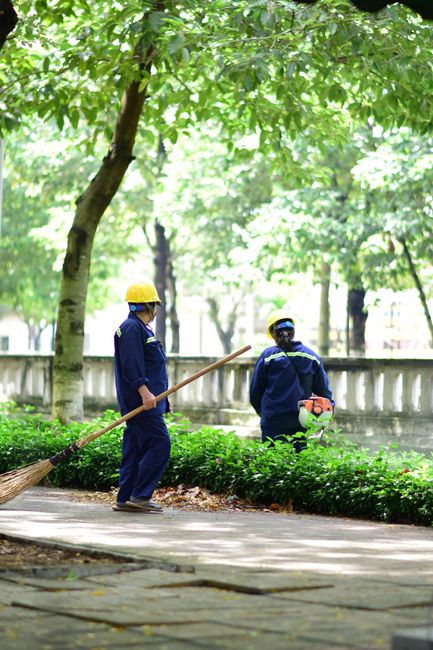
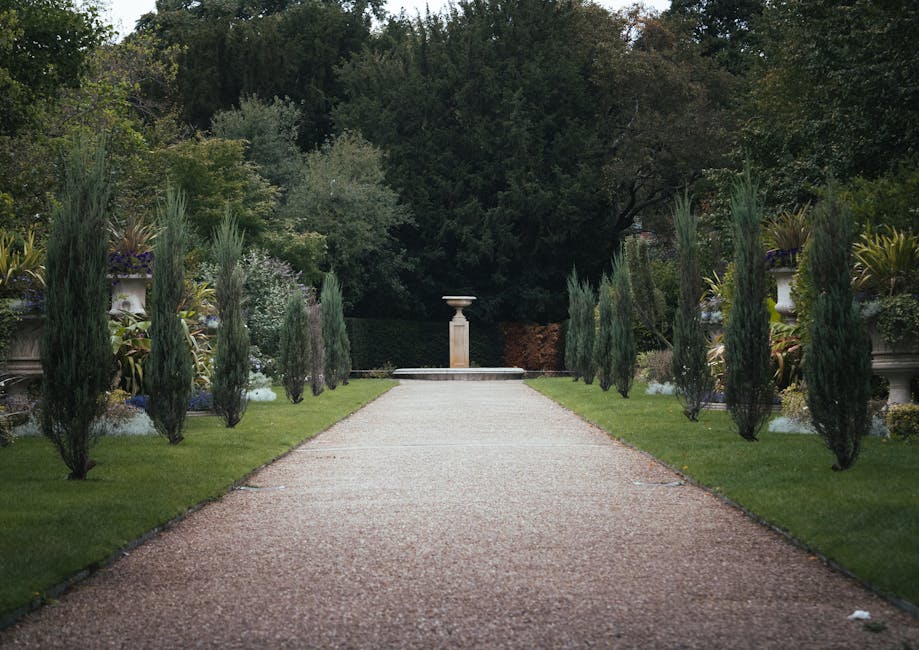
Garden maintenance in Kilburn works best when it is treated as steady, practical care rather than a once-in-a-while tidy-up. Our service focuses on keeping front gardens, back gardens, shared outdoor areas and planted borders neat, healthy and manageable through regular attention to the jobs that matter most. That can include mowing, trimming, weeding, edging, clearing cuttings and maintaining the general presentation of the space.
We also support the sort of day-to-day upkeep that helps gardens stay usable between bigger projects. If beds are crowded, hedges are losing their shape or the lawn has become patchy and uneven, a sensible maintenance plan can restore order without changing the character of the garden. Simple, consistent care usually gives better long-term results than letting small issues build up.
Use the page to understand the main maintenance options, then request a quotation when you are ready. If you already know the key tasks you need, you can move straight to the relevant service section or ask for a tailored plan that suits the size and condition of the garden.
Regular garden upkeep
Regular garden upkeep is the foundation of a tidy, workable outdoor space. We can carry out scheduled visits or one-off maintenance to keep growth under control and prevent the garden from becoming overrun. This is especially useful where lawns, borders and paths all need attention at the same time, because small tasks are easier to manage when they are handled together.
The service is built around clear, practical tasks rather than unnecessary extras. Typical work may involve removing weeds, edging lawns, collecting leaves, reducing light overgrowth and keeping borders from spilling into paths or patios. When done well, maintenance protects the overall appearance of the garden and makes it simpler to enjoy, tend and plan for future improvements.
For customers who want a broader view of available help, the services overview gives a quick way to compare the main work types before deciding what to include. If your garden needs a mix of tasks, it is often better to describe the full condition up front so the work can be grouped sensibly.
Lawn care and mowing

Lawn care often shapes the whole look of a garden, so mowing and edging are central parts of maintenance. A lawn that is cut at sensible intervals usually looks cleaner, grows more evenly and is easier to keep in good condition. Where grass has become long or uneven, a more careful first cut may be needed before the lawn settles into a regular routine.
Good mowing is not only about appearance. It also helps with access, reduces the chances of the lawn looking messy around borders and gives the rest of the garden a sharper finish. We can include trimming around obstacles, tidying the edges and clearing up loose cuttings, which makes the lawn look finished rather than simply cut.
For customers who want a dedicated lawn-focused page, the lawn-mowing section explains that service in more detail. Where the lawn is just one part of a wider maintenance visit, it can be combined with weeding, hedge work or general tidying so the whole space is handled in one arrangement.
Hedge trimming and shaping
Hedges often need more than a quick cut to stay orderly. They can need selective trimming, height reduction, face shaping and regular attention to stop them from becoming too dense or uneven. In a maintained garden, hedges should support the layout rather than dominate it, especially where they border driveways, paths, fences or neighbouring plots.
We work with hedges as part of practical garden maintenance, focusing on clean lines and a controlled finish. The right approach depends on the hedge type, the time of year, the current growth and the shape the customer wants to preserve. If the hedge has become overgrown, it may need a more careful reduction rather than a simple light trim, so the finished result still looks balanced.
For more specific hedge work, see the hedge-trimming page. If several shrubs or boundary plants need attention as well, it is sensible to describe them together so the work can be planned around access, waste removal and the overall finish you want.
Weeding, beds and border care
Weeding is one of the most important parts of ongoing maintenance because unwanted growth can quickly make a garden look neglected. We can remove weeds from beds, borders, paved edges and other planted areas, then tidy the surrounding space so that cleaner planting and sharper boundaries are easier to keep. This kind of work is particularly useful where weeds are affecting the neatness of paths or competing with established plants.
Border care also includes light pruning, tidying around shrubs and keeping planted areas readable. A well-kept border gives the garden structure and helps the rest of the space feel intentional, even when planting is simple. If a garden contains mixed planting, some areas may need more selective attention to avoid disturbing healthy growth while still improving the general presentation.
Where a garden needs more extensive planting work or a redesign, the landscape gardening page may be more appropriate. For routine maintenance, however, the emphasis stays on careful upkeep, not on changing the character of the garden or starting from scratch.
Clearance, cuttings and seasonal tidy-ups

Seasonal tidying keeps gardens manageable when growth, fallen leaves or general clutter start to build up. This can include collecting and removing cuttings after maintenance work, clearing loose material from lawn areas and making sure paths, patios and borders are left in a tidy state. It is a practical way to reset the garden before a regular maintenance pattern begins again.
If an outdoor space has become heavily littered with plant material or overgrowth, a stronger clearance approach may be needed first. We can help restore order before the garden moves back into normal upkeep, which can make later mowing, trimming and border care far easier to manage. In some cases, the first visit is about creating access as much as improving appearance.
For larger overgrown jobs, the garden-clearance page sets out the broader clearance service. Where waste handling matters, the recycling-and-sustainability page offers a sensible place to review how green waste and reusable material are approached.
Planning work and understanding quotation factors
Quotation requests are usually easier to prepare when the garden’s main features are clear. A short description of the lawn, hedges, beds, access points and any awkward corners helps set expectations about the time and equipment that may be involved. If a garden has not been maintained for a while, that is useful to mention as well, because the first visit may differ from ongoing maintenance.
Price factors can vary according to size, current condition, the frequency of visits, whether cuttings need removing and whether several services are combined in one appointment. A straightforward lawn cut and tidy is different from a visit that includes trimming, weeding and clearance, so the scope matters. When customers are comparing options, a clear request is more helpful than a brief message with no detail. Clear information supports a more accurate response.
When you are ready to move forward, you can request a quotation with the main tasks you want included. If the garden needs a combination of maintenance and improvement work, it may help to look at the wider landscaping page as well, so you can separate routine upkeep from any longer-term changes.
H3: Access, timing and preparation

Before a maintenance visit, it helps to make the work area accessible and mention anything that could affect the visit, such as locked gates, delicate planting or items stored near the lawn. This is not about over-preparing; it is simply about making sure the work can be carried out efficiently and without avoidable delays. A concise note about the state of the garden is often enough.
Timing can also matter where hedges, lawns and borders all need attention together. Some gardens benefit from a regular rhythm, while others only need occasional visits at times of year when growth becomes more active. If several tasks are included in the same appointment, grouping them sensibly can help the finished result look more even and better coordinated across the whole garden.
For customers who want to compare regular care with one-off improvements, the garden-maintenance page provides a direct route to the main service, while the pricing-and-quotes page is useful when you are ready to outline the work and ask for a quotation.
About Kilburn
Kilburn sits across parts of north-west and west London and is known for its busy high street character, varied housing and strong transport connections. The name is used for a wider district rather than a single neatly bounded place, and it overlaps more than one local authority area. Kilburn High Road is one of the best-known routes through the area, carrying shops, services and constant movement between neighbourhoods. The locality also has long associations with music and performance, especially around venues and pubs that have contributed to its lively cultural identity. Architecturally, the area mixes Victorian and Edwardian terraces, mansion blocks, later residential development and stretches of commercial frontage, so the streetscape changes noticeably from one pocket to the next. Kilburn Grange Park provides a green counterpoint to the denser built environment, while nearby open spaces and tree-lined residential streets soften some of the heavier urban feel. The area’s history is layered: it developed along important routes out of London, absorbed successive waves of building, and remained closely tied to rail and road links that shaped how it grew. Today, Kilburn is a busy urban district with a distinctive rhythm, where long-established local trade sits alongside newer residential and cultural uses. That blend gives the place a practical, lived-in character rather than a single uniform look, and it is one of the reasons the area feels recognisable even though it spans more than one borough.
Garden maintenance to suit different outdoor spaces

Not every garden needs the same combination of work. A paved courtyard with a few planters may only need light weed control and tidy edging, while a larger family garden may need mowing, hedge trimming and seasonal cutback. The value of a maintenance service is that it can be shaped around the garden’s actual condition rather than forced into one fixed pattern. That flexibility helps keep the work proportionate and sensible.
We can support spaces that need a steady upkeep routine as well as gardens that have drifted out of shape and need a firmer reset. Some customers want the whole plot handled in one visit, while others prefer a recurring visit that spreads the work through the year. Either way, the aim is the same: keep the space presentable, usable and easier to manage over time. If you want to compare related work, the decking-services page may also be useful where a garden includes timber features that need separate attention.
For a straightforward next step, send the key details and ask for a quotation. If you would like to explore the main service route again, the contact-us page gives the clearest final step for making an enquiry and arranging the work.